
LinkedIn Personal vs Company Followers: Choose the Target
A founder profile and a company Page represent different publishing identities. Choose the LinkedIn follower row that accepts the intended destination, then keep follows, connections, content response, and leads distinct. Preparing the relevant profile or Page and preserving its baseline helps you evaluate the actual purchase without assuming access to qualified professional prospects.
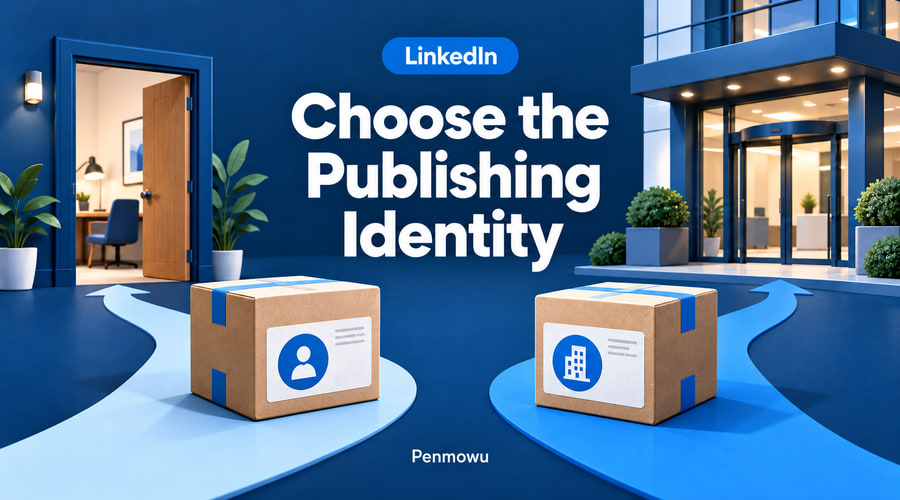
Choose a LinkedIn follower service according to whether the target is a personal profile or a company Page. These are different publishing identities, and the selected row must support the destination you submit. A follower purchase should also not be confused with obtaining first-degree connections or qualified business leads.
The right target is the one that owns the content and customer journey you intend to develop.
Separate a person from a company
A personal profile represents an individual’s professional presence. A company Page represents an organization. For a hypothetical consultancy, the founder may publish personal analysis while the company Page explains the firm’s services and team.
Decide which identity should receive the described follower action. Do not submit the company destination simply because it is associated with the person whose content you want to develop.
Keep the two targets in separate campaign records.
Following is not the same as connecting
LinkedIn’s follow-and-connect guide distinguishes following content from creating a two-way connection. A follower listing therefore does not establish that you gain direct professional relationships or connection privileges.
Do not describe delivered followers as a verified network of prospects. Professional relevance and genuine interest require separate evidence.
This matters especially when someone buys a service expecting immediate access to decision makers.
Check the individual Penmowu row
Penmowu’s LinkedIn catalog includes follower entries labeled for personal profiles and entries labeled for personal or company destinations. The reviewed rows differ in pace and quantity limits.
Which identity?
Personal profile or company Page.
Which row?
The entry explicitly supports that target.
Which input?
The accepted destination format.
Which quantity?
An amount inside the row’s actual range.
Which conditions?
Current timing and support wording.
A broadly labeled LinkedIn category does not make every follower row compatible with both target types.
Prepare the relevant publishing identity
For a founder profile, make the professional context and actual expertise clear. For a company Page, explain the service, intended customer, and useful destination.
LinkedIn’s Page analytics overview separates follower, visitor, and content reporting. That is a reminder to evaluate the company Page through more than one counter.
A genuine visitor should be able to understand the offer even if they never look at the follower total.
Review the result at the correct level
Record the baseline and later follower observations for the submitted identity. Keep post performance and actual customer inquiries separate.
If a founder post sends people to a company Page, that cross-identity journey needs its own measurement. Do not assume a follower increase on one side explains all activity on the other.
Open the current LinkedIn rows with the intended identity already selected. Choose the compatible follower service and keep connections, content response, and business leads as distinct outcomes rather than promises added to the quantity.